

Translation of the attached article:
Disputes may arise between the worker and the employer for several reasons, such as delayed salary payment, termination of the employment contract, or claiming financial entitlements. These disputes may affect the rights of both parties if they are not handled according to legal procedures. Therefore, the Kingdom has ensured the availability of legal mechanisms to decide labor disputes and guarantee that each party obtains their rights according to the provisions of the Labor Law.
In this article, we explain the role of labor dispute resolution committees, their jurisdictions, in addition to the procedures and conditions that should be known when filing a labor claim.
What Are Labor Dispute Resolution Committees?
Labor dispute resolution committees were previously the competent authority for hearing disputes that arise between the worker and the employer. They used to decide claims related to wages, termination of employment contracts, compensation, work injuries, and other labor disputes.
The Kingdom has developed the labor judiciary system, so judicial jurisdiction has become assigned to labor courts affiliated with the Ministry of Justice, while the Ministry of Human Resources handles the amicable settlement stage before referring the dispute to the court if no agreement is reached.
Before referring the dispute to the labor court, it is important to learn about amicable settlement of labor disputes, so that you understand its role in attempting to resolve the dispute between the worker and the employer legally before litigation.
Jurisdictions of Labor Dispute Resolution Committees
Labor dispute resolution committees are concerned with hearing disputes that arise between the worker and the employer as a result of implementing or terminating the employment contract. Their jurisdictions include many labor cases, the most prominent of which are:
Deciding Wage and Financial Rights Disputes:
These rights include delayed salaries, allowances, commissions, incentives, overtime, performance bonuses, and other entitlements that the worker may claim.
In this type of case, the employment contract, salary slips, attendance and departure records, and any other documents that help determine the financial rights due to each party are examined. The dispute is then decided according to the provisions of the Labor Law.
Deciding Cases of Ending the Employment Relationship:
Many disputes arise when the relationship between the worker and the employer ends, whether due to dismissal, expiry of the contract term, resignation, or termination of the contract by mutual agreement between both parties.
The reason for ending the relationship is verified, along with the extent of compliance with legal procedures, and whether either party is entitled to compensation or financial dues as a result of contract termination.
Considering End-of-Service Benefit:
The end-of-service benefit is one of the rights that frequently gives rise to disputes. Therefore, the worker’s service period, type of employment contract, and reason for its termination are reviewed, then the value of the benefit is calculated according to legal rules.
Deciding Working Hours and Leave Disputes:
These disputes include claims related to overtime hours, annual leave, sick leave, weekly rest days, and other rights regulated by the Labor Law.
In these cases, evidence proving the actual working hours and the leaves obtained by the worker is verified to ensure that each party receives their full rights.
Considering Work Injuries and Compensation:
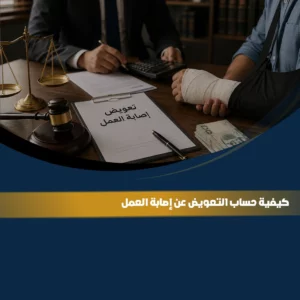
If a worker is injured while performing work or because of work, a dispute may arise regarding compensation or liability for the injury.
In these cases, medical reports, accident records, and other documents are relied upon to determine the financial rights and compensation due according to the provisions of the law.
Deciding Disciplinary Penalties:
The worker may object to a disciplinary penalty, such as salary deduction, warning, or suspension from work, if they believe it is unjustified or was imposed in violation of the law.
Here, the reason for the penalty, the procedures followed by the employer before imposing it, and the extent to which these procedures comply with the provisions of the Labor Law are verified. The dispute is then decided based on the facts and evidence.
Because disputes considered by labor authorities differ according to the subject of the dispute, you may need to learn about types of labor cases, so that you can determine the nature of your case and whether it relates to wages, dismissal, compensation, or work injuries.
Steps to File a Labor Claim
The Saudi Ministry of Human Resources and Social Development allows labor claims to be filed electronically through its official website to facilitate procedures for employers and workers and save time and effort. The claim is filed electronically by following these steps:
- Open the website of the Ministry of Human Resources and Social Development.
- Log in to the website using your login details.
- If the claimant is an individual, choose the Individuals Portal. If the claimant is an establishment, choose the Establishments Portal.
- From the services list, choose the amicable settlement service, then click the option for filing a claim.
- Enter all required data, such as claimant information, defendant information, work details, and the settlement office to which the claim belongs.
- Select the subject of the claim from the available options: compensation for arbitrary dismissal, financial entitlements, or another dispute.
- Attach the documents that support the claim, such as salary slips, the employment contract, and any other documents.
- Approve the declaration confirming the seriousness of the claim and that it is not malicious, then click Send.
- The specialists will review your request after it is submitted.
- If the claim is accepted, hearing dates are sent by SMS and email.
- If the request is rejected, you can view the reasons for rejection through the claims service portal.
If the dispute with the employer cannot be resolved and you decide to move to the judicial procedure, it is important to learn about how to file a case against a company, so that you submit your labor claim with the required data and documents correctly.
Conditions for Filing a Labor Claim
There are a set of legal conditions that must be met by the claimant, whether the employer or the worker, to ensure that the claim is accepted. These conditions include:
- The claimant must have the required legal capacity to file the claim.
- There must be a clear employment relationship proven by the employment contract or any other evidence confirming the existence of work.
- The claim must be filed before the labor court within the jurisdiction of the employer’s place of residence or the defendant’s workplace.
- All documents and evidence supporting the claimant’s demands in the case must be submitted.
- The claim must be filed within the time period specified by law, as the claim cannot be filed after that period has expired.
- The claim must be based on actual and genuine due claims and must not be malicious.
- If there is an objection to decisions issued by the competent authority, the claimant should follow the correct administrative sequence and may file the grievance electronically.
What Is the Best Law Firm and Legal Consultancy for Labor Cases?
Labor cases require an accurate understanding of the Labor Law and the legal procedures followed before the competent authorities. Therefore, Nawaf bin Awad Al-Harbi Law Firm provides integrated legal services that help individuals and establishments protect their rights and handle labor disputes efficiently and professionally.
The firm provides legal consultations in various labor cases, studies the dispute, assesses the legal position before taking any action, and prepares and drafts statements of claim and legal memoranda professionally.
This is in addition to its role in representing clients before labor courts and competent authorities, and providing legal support in objecting to judgments and decisions whenever legal grounds are available. The firm’s team is committed to providing legal solutions that consider the client’s interest and contribute to protecting their rights and achieving the best possible results according to the applicable laws.
Contact now with the best labor cases lawyer in Saudi Arabia to obtain legal support in labor disputes, starting from studying the case and preparing the claim and legal memoranda, through to representing you before labor courts and competent authorities to protect your rights under the Saudi Labor Law.
Conclusion
Labor disputes represent an important part of the work environment, and handling them according to legal procedures is the best way to protect rights and avoid prolonged disputes. Whether the matter relates to claiming financial entitlements, objecting to termination of the employment contract, or any other dispute, understanding the mechanism for deciding labor disputes and seeking the help of specialists when needed both help reach appropriate legal solutions and preserve the rights of all parties.
Frequently Asked Questions
Is Amicable Settlement Required Before Filing a Labor Claim?
Yes. If no agreement is reached between the two parties, the claim is referred to the labor court to complete litigation procedures.
What Documents Help Prove a Right in Labor Cases?
The most important documents include the employment contract, salary slips, attendance and departure records, correspondence between the worker and the employer, and any documents or evidence supporting the claim.
When Is It Better to Seek the Assistance of a Lawyer in Labor Cases?
It is preferable to seek the assistance of a lawyer when there is a complex dispute, when claiming large financial amounts, or when intending to file a claim or object to a judgment issued in a labor case.