
Translation of the attached article:
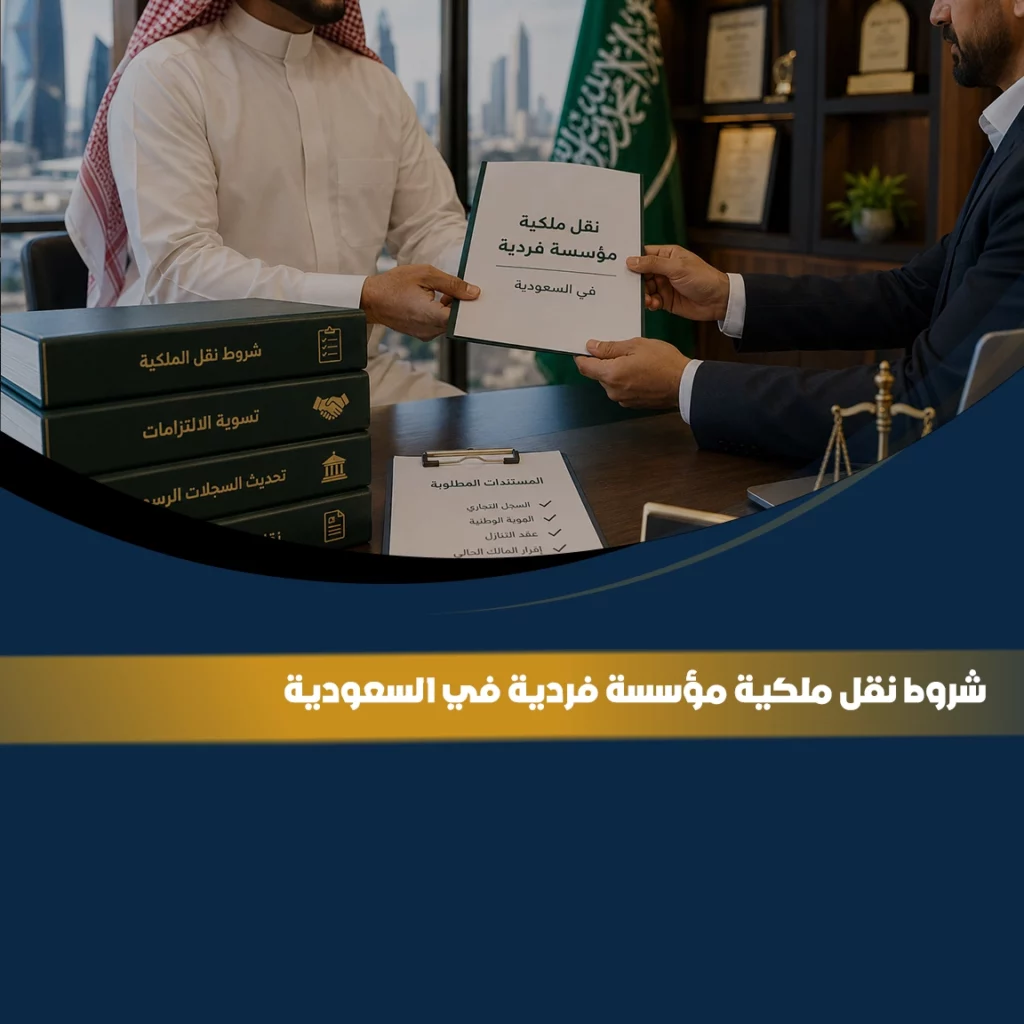
Transferring ownership of a sole proprietorship is one of the important commercial processes that many establishments go through, whether as a result of conversion, sale of ownership, or transfer between heirs. Therefore, sole proprietorship owners should know the steps and conditions required to complete this process.
In this article, we will explain these steps and conditions, in addition to clarifying the documents that must be submitted, the fees that must be paid, and the legal challenges you may face during the transfer process, which may delay completing the process or prevent acceptance of the transfer request from the beginning.
How to Transfer Ownership of a Sole Proprietorship
Transferring ownership of a sole proprietorship is available through the Ministry of Commerce website, without the need to visit a Ministry branch or submit the request through the Saudi Business Center. Below, we explain the steps to follow:
- Submit the transfer request through the Ministry of Commerce electronic portal. Enter the required information and log in to your account using your username and password.
- Click on the “My Commercial Registers” section.
- Click the options shown next to the commercial register and choose the icon for transferring ownership of the commercial register.
- Fill in the request details and attach the assignment and sale contract, mentioning the commercial register number and the parties, then click the submit request icon.
- The transfer request will be reviewed by the auditor. After approval, click the icon to complete the request from the “My Requests” section, and a verification code will be sent to the buyer’s number.
- After entering the verification code, click the icon to complete the request. A SADAD invoice will then be issued and sent to your phone by text message.
- The invoice is paid through the available payment methods.
Conditions for Transferring Ownership of a Sole Proprietorship
Transferring ownership of a sole proprietorship requires fulfilling a number of conditions, including:
- The age must not be less than 18 years.
- The buyer must not be a government employee.
- Financial dues owed to the General Organization for Social Insurance must be paid if there is a subscription.
- The commercial register name must not be the same as the seller’s personal name.
Required Documents for Transferring Ownership of a Sole Proprietorship
Complete and accurate documents must be submitted when applying to transfer ownership of a sole proprietorship. These documents include:
- A copy of the national ID of the buyer and the establishment owner.
- A copy of the current commercial register.
- The assignment contract signed electronically through the Ministry of Commerce portal.
- A clearance certificate from the Zakat, Tax and Customs Authority.
- A declaration stating that there are no existing commercial disputes or cases.
- A letter from the buyer requesting ownership transfer.
Fees for Transferring Ownership of a Sole Proprietorship
Nominal fees are imposed on the service of transferring ownership of a sole proprietorship, including documentation fees, electronic service fees, and government fees. These fees are as follows:
- The Ministry of Commerce ownership transfer fee, amounting to SAR 100.
- Fees for electronically documenting the contract through Meras or Thiqatak, estimated at SAR 200 or SAR 300.
- Qiwa platform fees for updating data if there are workers.
- Fees related to transferring government subscriptions, such as social insurance and zakat, depending on the establishment’s status.
If the establishment owns a registered name or commercial identity, it is important to review trademark ownership transfer to know the conditions and procedures required to transfer it to the new owner legally.
Legal Challenges You May Face When Transferring Ownership of a Sole Proprietorship
The buyer or owner may face certain challenges while transferring ownership of a sole proprietorship, which may delay the transfer process or prevent its completion. These challenges include:
- Existing debts on the establishment, such as financing installments or bank loans.
- Differences in civil registry or identity data between government systems.
- Failure to issue a clearance certificate from the Zakat, Tax and Customs Authority.
- Existing lawsuits filed under the name of the former owner or the establishment name.
- Workers remaining registered under the old owner’s name without officially transferring their sponsorship.
To understand the procedures related to the transfer of an establishment to a new owner, also review commercial register ownership transfer and learn the conditions and steps required to complete the transfer legally.
Why Is Nawaf bin Awad Al-Harbi Law Firm the Most Suitable Choice for Sole Proprietorship Ownership Transfer Procedures?
The procedures for transferring ownership of a sole proprietorship require compliance with a number of legal and regulatory requirements to ensure proper ownership transfer and protect the rights of all parties.
Because these procedures may include requirements related to contracts, licenses, and financial obligations, seeking the assistance of a specialized lawyer helps complete the transfer smoothly and avoid any future legal challenges or problems.
Nawaf bin Awad Al-Harbi Law Firm provides a range of legal services in this field, most notably:
- Providing legal consultations related to transferring ownership of a sole proprietorship.
- Reviewing documents and contracts and ensuring that they meet legal requirements.
- Following up on ownership transfer procedures before the competent authorities.
- Providing legal support in amending commercial register data and licenses related to the activity.
- Handling legal problems or challenges that may hinder completion of the transfer process.
- Providing legal advice regarding the obligations and rights resulting from ownership transfer.
Contact now with the best companies and establishments lawyer to ensure that ownership of your sole proprietorship in Saudi Arabia is transferred legally and smoothly, with document review, follow-up of Ministry of Commerce procedures, handling of any legal challenges, and ensuring ownership transfer without delay or future problems.
Conclusion
In conclusion, transferring ownership of a sole proprietorship is a legal process that requires knowing the necessary procedures and conditions to ensure successful completion and acceptance of the transfer request. Seeking the assistance of a specialized lawyer will greatly help you because they are familiar with the required procedures and conditions and will provide you with the necessary legal consultations.
However, if you want to establish a new entity instead of transferring ownership of an existing establishment, review the conditions for opening a sole proprietorship and learn the requirements and steps needed to start the activity legally.
Frequently Asked Questions
How Long Does the Process of Transferring Ownership of a Sole Proprietorship Take?
This process usually takes from one to two working days, provided that all required documents are correct and complete. If there is any missing information or remarks on the documents, the transfer process may be delayed. The speed of procedures also depends on confirming data in official records, such as the Zakat, Tax and Customs Authority, while ensuring that there are no debts.
Can Ownership of a Sole Proprietorship with Debts and Financial Obligations Be Transferred?
Yes, it can. However, a clear written agreement should be documented between the parties specifying who will bear these debts. From a legal perspective, if the assignment contract does not expressly state that the new owner will bear the previous debts, the old owner remains responsible for them before creditors and suppliers.
What Is the Difference Between Assignment and Ownership Transfer?
Assignment of ownership means a process in which ownership rights are assigned in favor of another party within a contractual agreement between the parties, and it may include special terms agreed upon by the parties. Ownership transfer, on the other hand, is an official procedure regulated under Saudi law. It depends on approval from the Ministry of Commerce and is officially recorded in the commercial register, making it an approved legal procedure for changing the owner.